



Ram Mandir Guide for a Memorable Ram Navami Journey – How to Make the Most of Your Ayodhya Visit
—
Introduction
Ram Navami, the birth‑celebration of Lord Shri Ram, transforms the ancient city of Ayodhya into a vibrant tapestry of devotion, culture, and colour. Pilgrims, families and curious travellers from across India—and increasingly from abroad—converge on the banks of the Sarayu to witness special poojas, soulful kirtans and elaborate processions that honour the divine king. For anyone planning to visit Ayodhya during this auspicious period, a well‑structured ram mandir guide during Ram Navami can turn a simple trip into an unforgettable spiritual odyssey.
Below is a comprehensive, step‑by‑step handbook that covers everything from pre‑travel preparation to on‑site etiquette, helping you navigate the crowds, discover hidden gems and savour the festive atmosphere while staying comfortable and safe.
—
1. Why Ram Navami Is the Ideal Time to Explore Ayodhya

1.1 A Surge of Devotional Energy
The moment the sunrise touches the ghats, the entire city reverberates with the mellifluous chants of Ram Stuti and the rhythmic beat of dholak. Temples are illuminated with oil lamps, and the iconic Ram Mandir itself is draped in fresh flower garlands. This heightened spiritual ambience is something a regular weekday cannot match.
1.2 Unique Cultural Experiences
– Ram Lila performances that dramatise episodes from the Ramayana
– Mela stalls offering traditional sweets like peda and kesari
– Processions featuring decorated elephants, brass bands and colour‑sprayed devotees
All these activities create a living museum of Hindu tradition, making the pilgrimage a rich educational experience as well as a devotional one.
—
2. Planning Your Ayodhya Travel During Ram Navami
2.1 When to Arrive
Ram Navami usually falls in late March or early April. The main festivities begin on the early morning of the day and continue well into the night. To avoid the most intense crowd surge, aim to reach Ayodhya a day before the festival; this gives you a buffer for hotel check‑in and a brief orientation walk.
2.2 How to Get There
| Mode of transport | Typical routes | Tips |
|——————-|—————-|——|
| Air | Lucknow (approximately 130 km) – Ayodhya Airport (newly operational) | Book flights at least a month in advance; airport taxis are limited on festival days. |
| Train | Direct trains from Delhi, Mumbai, Kolkata, and Varanasi to Ayodhya Junction | Reserve a sleeper or AC chair‑car; platform crowds start early, so reach the station 30 minutes prior. |
| Road | NH‑27 and NH‑330 connect Ayodhya to major cities | Consider a private cab or a reputable bus service; traffic can be heavy, especially after sunset. |
2.3 Accommodation Strategies
– Budget options: Guest houses and dharamshalas near the Sarayu River.
– Mid‑range: Hotels in the Kausar‑Baba lane or near the Ram Mandir complex.
– Premium: Boutique stays such as Bada Bhaktmaal Ashram that provide devotional ambience together with modern amenities.
Because Ayodhya travel during Ram Navami experiences a sharp rise in demand, secure reservations at least three weeks ahead.
—
3. A Day‑by‑Day Ram Mandir Guide During Ram Navami
3.1 Pre‑Dawn Ritual (4:30 am – 6:00 am)
1. Morning ablution at the Sarayu ghats—take a dip to purify body and mind.
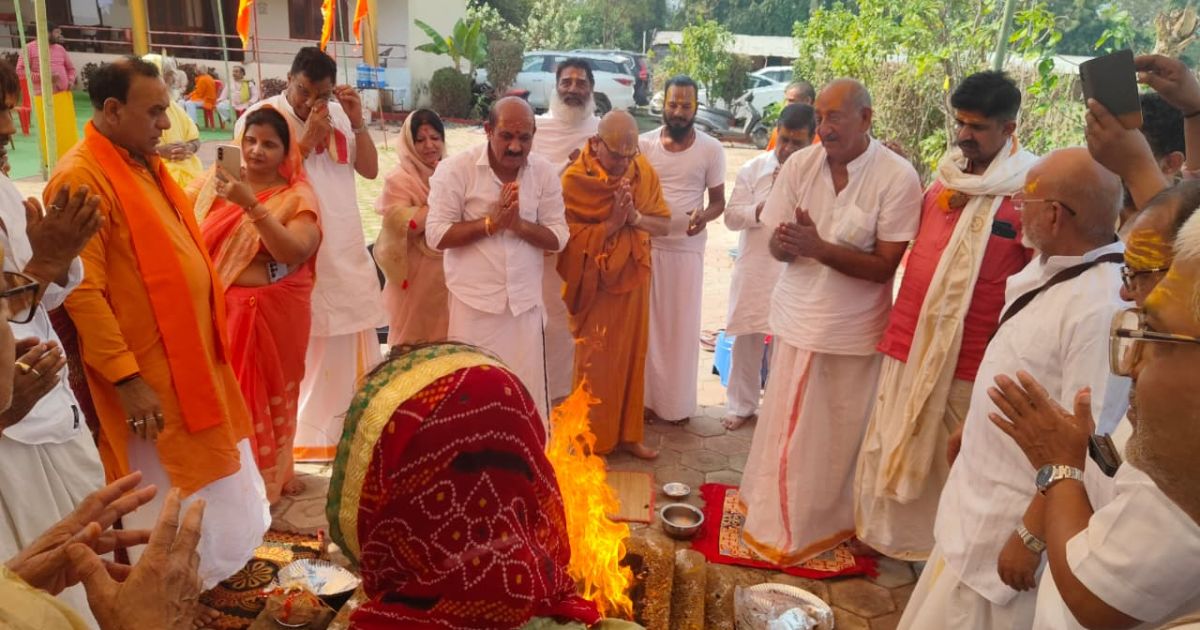
2. Attend the Mangala Aarti at the Ram Mandir courtyard. The priests light a massive deep (lamp) and chant Shri Ram Stuti.
> Pro tip: Arrive early to secure a spot close to the sanctum; the view of the flame reflected on the river is magical.
3.2 Main Puja & Procession (6:30 am – 10:00 am)
– Special Navami puja includes Abhishek (ritual bathing) of the deity with milk, honey, and rose water.
– Followed by a procession that circles the temple complex. Devotees carry shankh (conch) and naad (bells).
If you wish to capture photographs, stand on the raised platform behind the main entrance—this position avoids the front‑row crowd while still giving a clear view of the deity and the procession.
3.3 Mid‑Day Spiritual Activities (11:00 am – 2:00 pm)
– Ram Lila performances at the Janaki Nivas auditorium (tickets often free, but require a short registration).
– Satsang sessions led by learned scholars at Bada Bhaktmaal Ashram.
Take a short break for lunch; try Ayodhya’s famous kebabs and puri‑bhaji at the stalls near the Gulab Ghat.
3.4 Evening Aarti and Cultural Fest (5:00 pm – 9:00 pm)
– The Evening Aarti is the most emotionally charged ceremony; the whole complex is illuminated by thousands of diyas (oil lamps).
– Following the aarti, the city hosts a cultural mela featuring classical dance, bhajans and a fireworks display over the Sarayu.
Dress modestly (no sleeveless tops or shorts) and keep a small offering of flowers or sweets to present to the priests—this is considered courteous and enhances the personal connection to the divine atmosphere.
—
4. Practical Tips for a Smooth Visit
4.1 Health & Safety
– Stay hydrated: the spring heat and crowds can cause dehydration. Carry a refillable water bottle.
– Medical kits: include basic antiseptic wipes, band‑aids and any personal medication.
– Crowd management: pick a meeting point with your travel companions (e.g., the main Ram Mandir gate) in case you get separated.
4.2 Respectful Behaviour
– Speak in low tones inside the mandir; mobile phones should be kept on silent.
– Remove shoes before entering the sanctuary.
– Avoid photographing priests during the Abhishek unless explicitly permitted.
4.3 Navigating the City
– Public transport: Cycle rickshaws and auto‑rickshaws are abundant but negotiate fare beforehand.
– Walking: Many attractions are within a 2‑km radius of the Ram Mandir, making a leisurely stroll the most pleasant way to soak in the ambience.
—
5. Extending Your Pilgrimage – Nearby Attractions
While the Ram Mandir is the heart of the celebration, consider adding the following sites to your itinerary:
– Hanuman Garhi – a hill‑top temple offering panoramic views of the city.
– Kanak Bhawan – the exquisite palace of Goddess Sita, now a museum showcasing ancient artefacts.
– Gulab Ghat – ideal for a sunset boat ride on the Sarayu.
These visits help you understand the broader mythological landscape of Ayodhya, enriching the spiritual context of your Ram Navami experience.
—
6. Final Thoughts – Making the Most of Your Ayodhya Journey
A visit to Ayodhya during Ram Navami is more than a holiday; it is an immersion into centuries‑old devotion, culture and community spirit. By following this ram mandir guide during Ram Navami, planning ahead for Ayodhya travel during Ram Navami, and respecting local customs, you will not only witness the spectacular festivities but also carry home a deeper appreciation of Lord Ram’s teachings.
Whether you are a first‑time pilgrim, a seasoned spiritual seeker, or a curious traveler seeking authentic Indian heritage, the city’s radiant chants, fragrant flowers and timeless legends will leave an indelible imprint on your heart.
Prepare, arrive with reverence, and let Ayodhya’s divine energy guide you to a truly stunning and rewarding visit.