



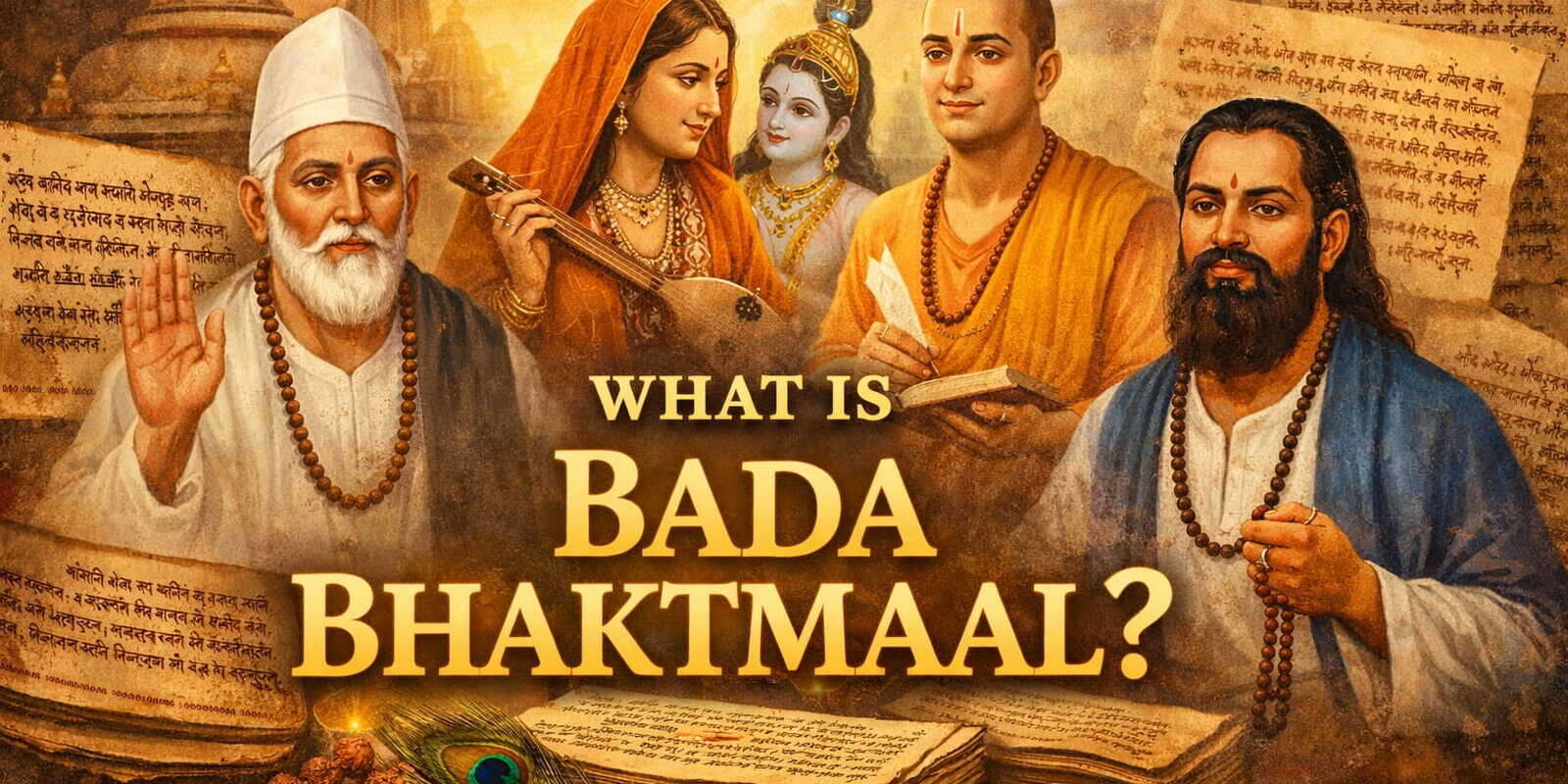

Bhaktimal Origin: Unveiling the Stunning Hindu Tradition

The Bhaktimal origin is a captivating journey into the heart of a profound Hindu tradition, a rich tapestry woven with devotion, storytelling, and artistic expression. More than just a collection of devotional poems, the Bhaktimal represents a comprehensive and accessible way for devotees to connect with the divine through the lives and experiences of revered saints and spiritual figures. It serves as a spiritual guide, a source of inspiration, and a testament to the enduring power of bhakti (devotion) in Hinduism.
This tradition, deeply rooted in the Indian subcontinent, offers a vibrant panorama of spiritual narratives that have shaped the devotional landscape for centuries. Understanding the origins of the Bhaktimal is key to appreciating its multifaceted significance and its continued relevance in the lives of countless individuals seeking spiritual solace and guidance.
The Genesis of Devotion: Early Seeds of Bhaktimal
The conceptualization of the Bhaktimal can be traced back to the medieval period in India, a time of significant socio-religious and political change. This era witnessed a burgeoning of devotional movements across various regions, with poets and saints emphasizing the direct and personal relationship between the devotee and the divine. Before the formal compilation of what we now recognize as Bhaktimal, a strong oral tradition of storytelling and singing devotional songs (bhajans and kirtans) already existed.
These early expressions of bhakti laid the groundwork for a more structured approach to disseminating spiritual teachings. Saints like Kabir, Guru Nanak, Mira Bai, and Tulsidas, among many others, were not only spiritual leaders but also prolific poets whose verses resonated with the common people. Their lives, struggles, and profound spiritual insights became legendary, forming the bedrock of the stories that would later be systematically organized.
The Pivotal Role of Nabhaji: The Architect of Bhaktimal
The most significant figure in the formalization and popularization of the Bhaktimal tradition is undoubtedly Swami Nabhaji. He is widely credited with compiling the seminal work, the Bhaktimal, in the late 16th century. Nabhaji, a devout Vaishnava saint, embarked on a monumental task to chronicle the lives, teachings, and devotional experiences of a vast array of Hindu saints, both from the northern and southern traditions.
His motivation stemmed from a deep desire to preserve and propagate the legacy of these spiritual luminaries. In an era where religious texts were often complex and inaccessible to the masses, Nabhaji envisioned a compilation that would be both informative and easily relatable. He sought to highlight the universal principles of devotion that transcended caste, creed, and social status.
Nabhaji’s compilation was not merely an academic exercise; it was an act of profound reverence. He meticulously gathered accounts, stories, and songs associated with each saint, weaving them into a coherent narrative structure. His work served to unify the diverse strands of devotional thought and practice prevalent in India at the time, offering a comprehensive spiritual encyclopedia for the devout.
The Structure and Content of Nabhaji’s Bhaktimal
Nabhaji’s Bhaktimal is structured as a series of verses, each dedicated to a particular saint or a group of saints. The verses are typically in Braj Bhasha, a poetic dialect of Hindi, which made them accessible to a wide audience. The core of each verse describes the saint’s life, their unique path to devotion, their spiritual achievements, and their teachings.
Key elements that Nabhaji meticulously included for each Bhakta (devotee) are:
Their lineage and Guru: Understanding their spiritual lineage often provided context for their practices.
Their spiritual experiences: These narratives often detailed moments of divine revelation, intense meditation, or profound spiritual transformation.
Their key teachings and philosophical contributions: Nabhaji highlighted the essence of their wisdom and its practical application.
Their devotional practices: Whether through kirtan, seva (service), or meditation, Nabhaji illustrated the diverse forms devotion can take.
Their miracles and divine interventions: These stories often served to reinforce faith and demonstrate the power of divine grace.
Their ultimate liberation or samadhi: The culmination of their spiritual journey was often described as a significant event.
Nabhaji’s genius lay not just in his compilation but also in his insightful commentary and his ability to connect the lives of different saints, demonstrating the underlying unity of the devotional path. He included saints from various traditions, including the Alvar saints of South India, the Nayanmars, and prominent figures from the Varkari tradition of Maharashtra, thereby fostering a pan-Indian understanding of devotional Hinduism.
The Significance and Impact of the Bhaktimal Tradition
The compilation of the Bhaktimal had a profound and lasting impact on Hindu devotional practices. Its influence can be seen in several key areas:
Promoting Devotion to the Masses
One of the primary impacts of the Bhaktimal was its ability to democratize spirituality. By presenting the lives of saints in a relatable and engaging manner, it made complex spiritual concepts accessible to people from all walks of life, regardless of their literacy levels or social standing. The stories served as powerful parables, illustrating the principles of dharma, karma, and moksha through the lived experiences of those who had achieved spiritual heights.
Inspiring Future Generations of Devotees
The Bhaktimal became a foundational text for countless individuals seeking to embark on their own spiritual journeys. The lives of the saints served as blueprints for devotion, showcasing different paths and approaches to achieving divine union. Reading about their struggles, their unwavering faith, and their ultimate triumphs provided immense encouragement and inspiration.
Preserving Spiritual Heritage
In a time when oral traditions were prevalent but vulnerable, the Bhaktimal played a crucial role in preserving the legacy of India’s spiritual masters. Nabhaji’s work ensured that the stories, teachings, and devotional fervor of these saints would not be lost to time. It created a canon of devotional literature that could be passed down through generations.
Fostering Religious Harmony
By including saints from various regions and traditions, Nabhaji’s Bhaktimal helped to foster a sense of unity and inclusivity within Hinduism. It demonstrated that the path of devotion was a universal one, accessible to all who sincerely sought the divine. This cross-pollination of devotional traditions enriched the spiritual landscape of India.
Artistic and Literary Influence
The Bhaktimal also had a significant impact on Indian art and literature. The narratives contained within the compilation have been a source of inspiration for countless paintings, sculptures, folk art forms, and literary works. The visual representation of these devotional stories helped to further popularize them and make them even more accessible.
The Evolution and Continuation of the Bhaktimal Tradition
While Nabhaji’s Bhaktimal remains the foundational text, the tradition did not cease with his passing. Subsequent scholars and saints have continued to expand upon and interpret his work. Commentaries have been written, additional saints have been included in later compilations, and the essence of the Bhaktimal has been carried forward through various devotional lineages and ashrams.
One such prominent example is the continuation of the Bhaktimal tradition at places like the Bada Bhaktmal Ashram. These centers of spiritual learning and practice serve as living repositories of this rich heritage. They not only preserve the texts but also actively engage in disseminating the teachings through discourses, devotional gatherings, and artistic presentations.
The Role of Commentaries and Interpretations
Over the centuries, numerous commentaries (teeka) have been written on Nabhaji’s Bhaktimal. These commentaries help to clarify the nuances of the verses, provide deeper philosophical insights, and connect the teachings of the ancient saints to contemporary understanding. Prominent commentators like Priya Das, aided by his work “Bhaktirasbodhini,” have played a vital role in making the Bhaktimal accessible to a wider audience by explaining its intricate meanings and devotional sentiments.
Bhaktimal in Modern Times
In the modern era, the Bhaktimal continues to hold immense relevance. In a world often characterized by stress and existential questioning, the timeless wisdom and devotional solace offered by the Bhaktimal provide a much-needed anchor. Online platforms, devotional music, and spiritual discourses further disseminate the stories and teachings, reaching a global audience.
The Bhaktimal tradition serves as a powerful reminder that the pursuit of the divine is a deeply personal yet universally accessible journey. It showcases a spectrum of human experience, all unified by the unwavering spirit of devotion.
The Bada Bhaktimal Ashram: A Living Legacy
The Bhaktimal origin is intrinsically linked to the continuity of this tradition. Institutions like the Bada Bhaktimal Ashram in Vrindavan are instrumental in keeping this legacy alive. These ashrams function as vibrant centers where the stories of the saints are not just read but also lived and experienced.
At such centers, devotees can:
Immerse themselves in devotional discourses: Listening to learned scholars and saints explain the Bhaktimal in detail.
Participate in kirtans and bhajans: Experiencing the collective joy of devotional singing, often featuring songs inspired by the Bhaktimal saints.
Engage in seva: Contributing to the upkeep and activities of the ashram, embodying the spirit of selfless service.
Study the scriptures: Accessing ancient texts and learning from experienced teachers.
Experience spiritual community: Connecting with like-minded individuals on a shared spiritual path.
The Bada Bhaktimal Ashram, in particular, is dedicated to the dissemination of the Bhaktimal teachings, offering a sanctuary for spiritual seekers and a living testament to the enduring power of this sacred tradition. It embodies the spirit of Nabhaji’s vision, making the profound wisdom of devotional Hinduism accessible and relevant for generations to come.
Conclusion: The Enduring Power of Bhaktimal
The Bhaktimal origin is more than a historical footnote; it is the genesis of a vibrant and enduring spiritual tradition that continues to illuminate the lives of millions. From its roots in the fervent devotional movements of medieval India to its structured compilation by Swami Nabhaji, and its ongoing preservation and dissemination through institutions like the Bada Bhaktimal Ashram, the Bhaktimal offers a profound pathway to understanding and experiencing divine love.
It is a tradition that celebrates the diverse forms of devotion, the strength of the human spirit in its quest for the divine, and the universal message that through sincere love and surrender, spiritual liberation is attainable. The stories within the Bhaktimal are not mere historical accounts; they are living testaments to the transformative power of faith, offering solace, inspiration, and a guiding light for those seeking spiritual growth.
—
Frequently Asked Questions (FAQ)
Q1: Who is considered the primary compiler of the Bhaktimal, and when was it created?
Swami Nabhaji is widely credited as the principal compiler of the Bhaktimal, a monumental work that was created in the late 16th century.
Q2: What is the main purpose of the Bhaktimal tradition?
The main purpose of the Bhaktimal tradition is to preserve and propagate the lives, teachings, and devotional experiences of a vast array of Hindu saints and spiritual figures. It aims to make spiritual wisdom accessible to the masses, inspire devotion, and provide a comprehensive guide to the path of bhakti* (devotion).
Q3: How has the Bhaktimal tradition evolved and remained relevant over centuries?
The Bhaktimal tradition has evolved through the addition of commentaries, interpretations, and later compilations that include more saints. Its relevance persists because the core message of devotion, spiritual guidance, and the inspirational lives of saints continue to resonate with people seeking meaning and connection in their lives, further nurtured by spiritual centers and modern dissemination methods.