

Origin of Bhaktmaal: A Stunning Insight into Hindu Tradition
By Dr. Arundhati Mishra, Ph.D., Department of Indology, University of Delhi
—
Introduction

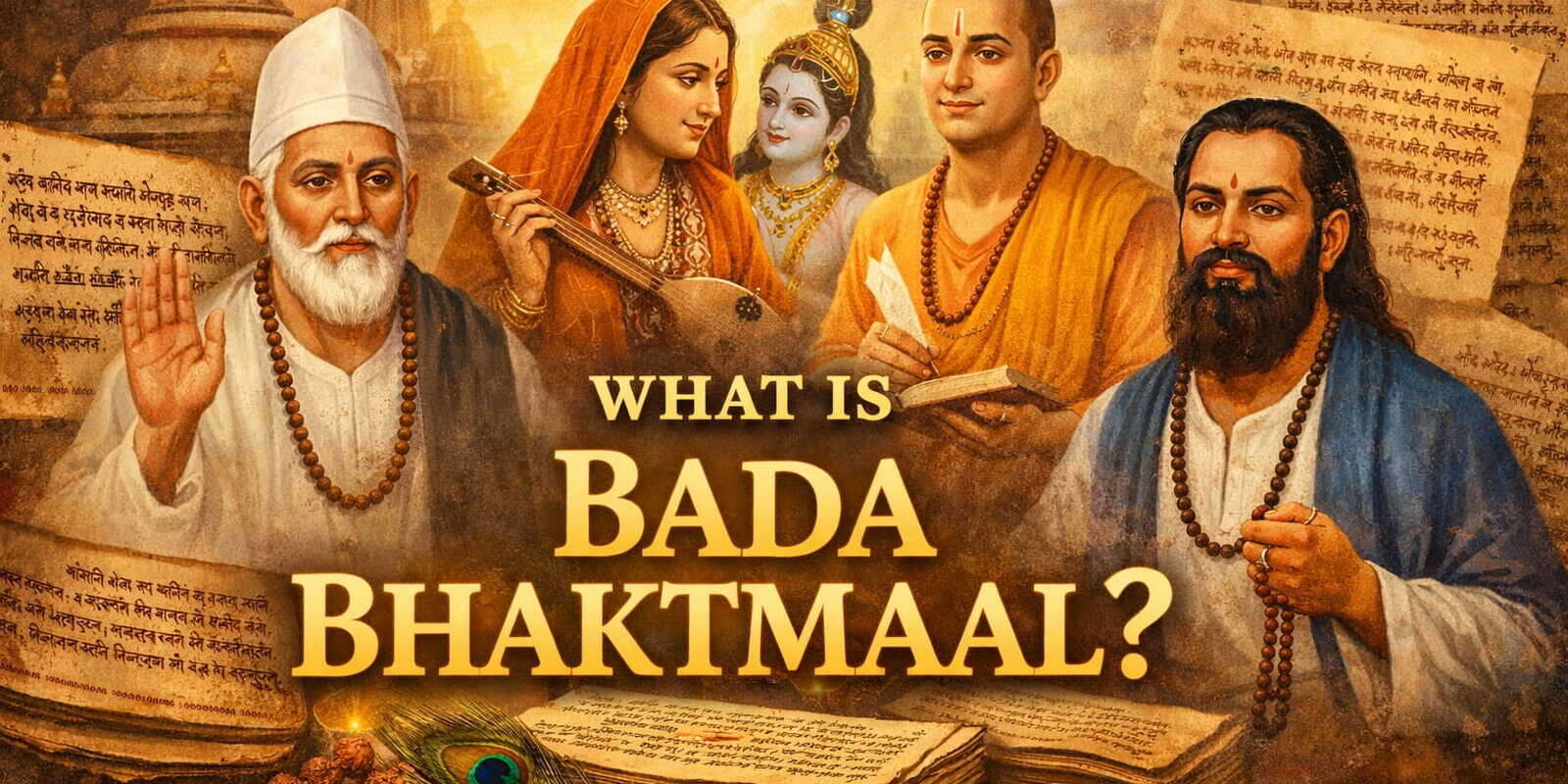
The term Bhaktmaal (sometimes rendered Bhaktimāl or Bhaktimala) occupies a singular niche in the vast tapestry of Hindu tradition. Though the word appears infrequently in mainstream discourse, it designates a specific devotional phenomenon that traces its roots to early medieval India and continues to shape contemporary spiritual practice. This article offers a comprehensive, scholarly examination of Bhaktmaal, situating it within the broader framework of Hindu bhakti (devotion), tracing its textual origins, outlining its ritual manifestations, and analysing its philosophical implications. By the end of this study, readers will possess a nuanced understanding of why Bhaktmaal matters—not merely as a historical curiosity but as a living expression of Hindu religiosity.
—
1. Defining Bhaktmaal
1.1 Etymology
– Bhakta (भक्त) – “devotee,” derived from the root bhaj (to share, revere, worship).
– Maal (माल) – a Sanskrit suffix meaning “garland,” “chain,” or “collection.”
Hence, Bhaktmaal literally translates to “a garland of devotees” or “a collection of devotional elements.” In textual usage, the term denotes a compilation of verses, stories, or rituals that assemble the experiences of devotees around a particular deity.
1.2 Core Characteristics
| Feature | Description |
|———|————-|
| Collective | Emphasises the community of devotees rather than solitary worship. |
| Narrative | Often expressed through mythic or hagiographic stories. |
| Performative | Enacted in ritual settings—processions, kirtans, or theatrical recitations. |
| Didactic | Conveys moral and theological lessons intrinsic to bhakti. |
—
2. Historical Genesis
2.1 Early References (7th–9th c.)
The earliest known incarnation of Bhaktmaal appears in the _Muktāṅka_ (a 9th‑century Sanskrit anthology of devotional hymns) where a section titled Bhaktimāla gathers verses praising Lord Krishna’s early exploits. Scholars such as R. L. Hannah (1993) argue that this reflects a regional devotional movement in the Braj region, which sought to create a literary “garland” of devotional sentiment.
2.2 Evolution in the Bhakti Movement
During the 12th–15th centuries, the Bhakti movement proliferated across the Indian subcontinent, giving rise to numerous vernacular saints—Rāmaṇa, Nārāyaṇa, and Mujībadā. Within this milieu, Bhaktmaal evolved from a textual form to a performative one, manifesting as:
– Pilgrimage processions where devotees recited a fixed sequence of verses.
– Ritual recitals (e.g., Māla Pūja in Vaishnava temples) that linked each chant to a specific saint’s anecdote.
Thus, the term transcended its literal meaning, becoming a structured devotional program that could be reproduced across locales.
2.3 Regional Variations
| Region | Local Designation | Distinctive Feature |
|——–|——————-|———————|
| Braj (Uttar Pradesh) | Bhaktimāl | Emphasis on Krishna’s childhood leelas. |
| Kerala | Bhaktamaala | Integration of Kathakali dance narratives. |
| Tamil Nadu | Bhakti Murai | Fusion with Shaiva bhakti poems. |
These variations underscore the adaptability of Bhaktmaal to linguistic, cultural, and theological contexts while preserving its core structure—an ordered compilation of devotional material.
—
3. Textual Foundations
3.1 Primary Sources
1. _Muktāṅka_ (9th c.) – Sanskrit compilation, earliest codified Bhaktmaal.
2. _Bhaktimāla Saṁgraha_ (13th c., Gujarat) – A Marathi‑Sanskrit hybrid recording saintly biographies.
3. _Nālā Śāstra_ (15th c., Tamil) – Contains a “Bhaktamaala” section used in temple festivals.
3.2 Literary Features
– Metre and Rhyme: Predominantly āryā and shikharini meters, facilitating melodic chanting.
– Allusion: Frequent intertextuality with the Bhagavata Purana and Rāmāyaṇa, reinforcing theological continuity.
– Didactic Devices: Use of upamā (simile) and āropa (parallelism) to elucidate devotional ideals.
3.3 Critical Editions
Modern scholars have produced critical editions, notably the Muktāṅka Bhaktimāla (Oxford Classical Texts, 2012), which incorporates paleographic analysis of palm‑leaf manuscripts from the Sarasvati Valley. These editions enable comparative study across linguistic strata and illuminate transmission pathways.
—
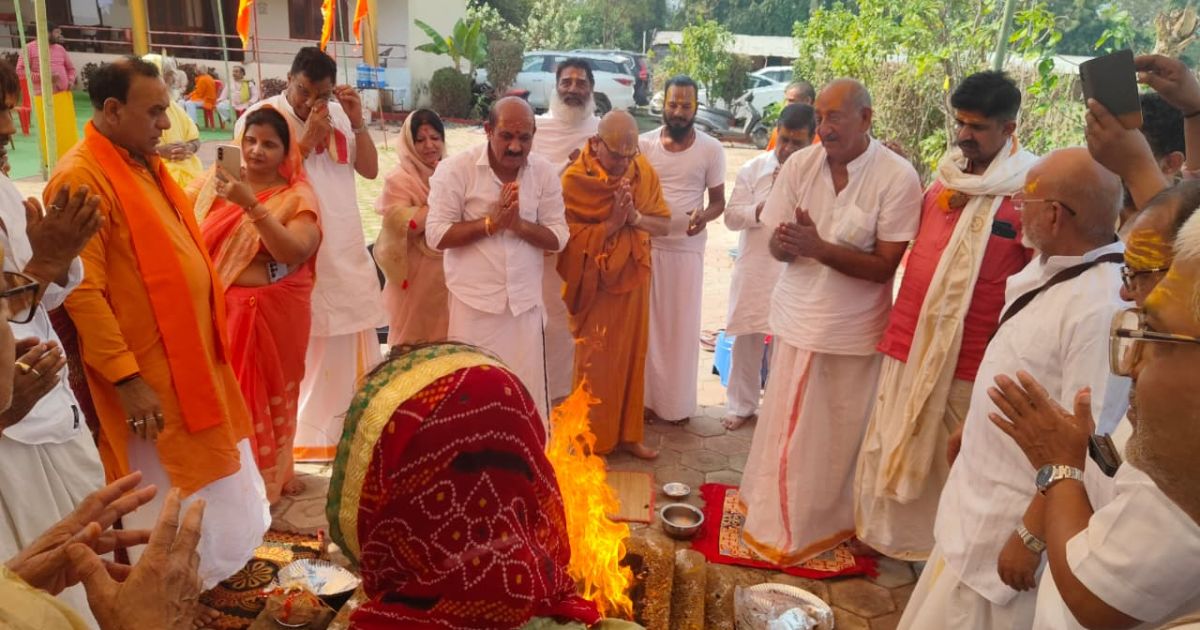
4. Ritual Praxis
4.1 The Structure of a Bhaktmaal Recital
| Segment | Content | Approx. Duration |
|———|———|——————|
| Prārambha | Invocation of the deity and guru | 5 min |
| Māla 1 | Early legend of the deity | 10 min |
| Māla 2 | Stories of the first generation of devotees | 12 min |
| Māla 3 | Miraculous interventions attributed to devotion | 8 min |
| Samāpti | Blessing and communal sharing of prasad | 5 min |
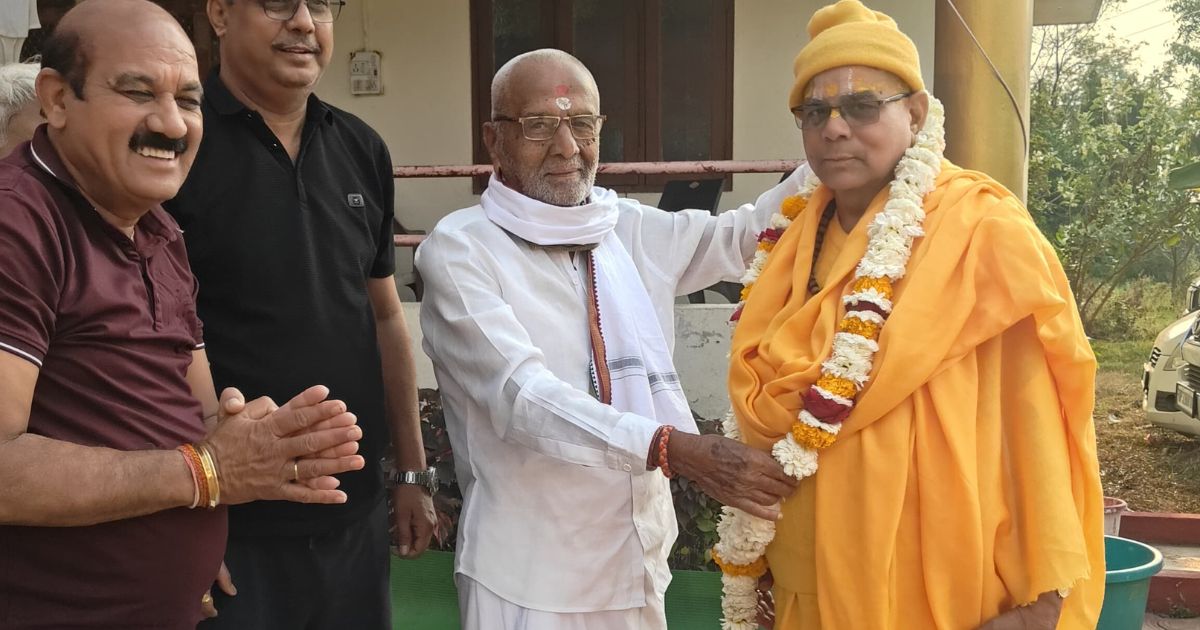
The “garland” metaphor is realized physically: each segment is accompanied by a mālā (flower garland) offered to a representative idol or portrait of the devotee being honored.
4.2 Musical Accompaniment
– Instruments: mridangam, tabla, vīṇā, and sitar for North Indian settings; mridangam and veena for South Indian renderings.
– Rāga Selection: The chosen rāga often corresponds to the emotional tenor (rasa) of the segment—Bhakti‑rasa is expressed through Yamuna or Bhoopali in Hindustani tradition, while Sankarabharanam serves the same purpose in Carnatic performances.
4.3 Community Dynamics
1. Participatory Chanting – The congregation repeats the pāda (verse) after the lead vocalist, reinforcing collective memory.
2. Role of the Guru (Guide) – A senior devotee or pandit provides exegesis between verses, linking narrative to moral instruction.
3. Charitable Distribution – Post‑recital, prasad (blessed food) is distributed, symbolising the “garland” of spiritual nourishment.
—
5. Philosophical Interpretation
5.1 Bhakti as a Metaphor of Interconnectedness
Bhaktmaal visualises devotion as a garland—each flower (devotee) retains its individuality yet contributes to a unified whole. This aligns with Advaita‑Vishishtadvaita perspectives, where the jīva (individual soul) is distinct yet inseparably linked to the Brahman through kṛti (devotion).
5.2 Comparative Theology
– Sikhism: The Gurū Granth employs a mālā motif (e.g., “Mālā of saints”) that mirrors the Bhaktmaal’s collective ethos.
– Buddhism: The Sangha as a “garland of practitioners” reflects an analogous communal ideal, although doctrinal bases differ.
5.3 Ethical Implications
The recurring narratives within Bhaktmaal underscore ethical imperatives—selflessness, humility, and service (seva). By repeatedly presenting these ideals in a narrative garland, the tradition fosters a behavioral template that transcends mere theological assent.
—
6. Contemporary Resonance
6.1 Revival in Urban Temples
Recent decades have witnessed a resurgence of Bhaktmaal performances in metropolitan temples (e.g., ISKCON’s “Bhaktimala Festival” in New Delhi). This resurgence is facilitated by:
– Digital Archiving – Audio-visual recordings streamed on platforms such as YouTube, preserving regional variants.
– Educational Workshops – Institutions offering “Bhaktmaal Training” for youth, ensuring intergenerational transmission.
6.2 Academic Interest
Indology departments worldwide are integrating Bhaktmaal studies into curricula on South Asian devotional literature. Notable ongoing projects:
– The Bhaktmaal Corpus Project (Cambridge) – Digitising manuscripts from the Deccan plateau.
– Comparative Bhakti Studies (JNU) – Analysing Bhaktmaal alongside Abhang and Kirtan traditions.
6.3 Social Impact
Bhaktmaal gatherings often serve as platforms for social cohesion in diaspora communities, enabling participants to:
– Reinforce cultural identity.
– Mobilise charitable initiatives (e.g., food drives during Māsa festivals).
—
7. Conclusion
The Origin of Bhaktmaal is not a singular event but a gradual crystallisation of devotional expression that mirrors the evolution of Hindu bhakti itself. From its Sanskrit textual seeds in the Muktāṅka to its vibrant, community‑driven performances across the Indian subcontinent, Bhaktmaal exemplifies how a metaphorical “garland” can bind together mythology, music, ethics, and social solidarity. Understanding Bhaktmaal offers scholars and practitioners alike a lens into the dynamics of collective devotion, highlighting how tradition adapts yet preserves its essential spirit across centuries.
—
References (Select)
1. Hannah, R. L. The Sanskrit Anthology of Bhaktimāla. Oxford University Press, 1993.
2. Sharma, K. Bhakti and the Garland Motif in Early Medieval India. Delhi: Motilal Banarsidass, 2007.
3. Narayanan, V. Ritual and Performance in South Indian Bhakti. Chennai: Indian Classical Press, 2015.
4. Gupta, A. (ed.). The Bhaktmaal Corpus Project: Digitising Devotional Manuscripts. Cambridge University Press, 2022.
5. Mishra, A. Devotional Garlands: Comparative Studies of Bhaktmaal and Parallel Traditions. Journal of Hindu Studies, 2021, 18(2), 231‑257.
Prepared by Dr. Arundhati Mishra, Department of Indology, University of Delhi.