


The Saint Tradition: The Bedrock of Essential Hindu Dharma

The Saint Tradition forms an indispensable pillar of Essential Hindu Dharma, deeply interwoven into its philosophical, ethical, and devotional fabric. For millennia, these revered souls have served as living embodiments of spiritual ideals, guiding seekers through complex theological landscapes and illuminating the path to liberation. More than just figures of reverence, saints in Hinduism act as conduits, transmitting ancient wisdom and fostering a tangible connection to the divine. Their lives, teachings, and selfless service provide a profound and practical framework for understanding and living the principles of Dharma, making them not just important, but absolutely essential to the continuation and vitality of the Hindu faith.
The Guiding Lights: Roles and Significance of Saints in Hinduism
Saints, often referred to as Rishis, Munis, Gurus, or Bhagavatas, occupy a unique and exalted position within the Hindu worldview. They are not merely scholars of scripture; they are individuals who have attained profound spiritual realization and offer a lived testament to the efficacy of the teachings they espouse. Their significance can be understood through several key roles:
Embodiments of Dharma: Saints are seen as living exemplars of Dharma – the cosmic order, righteousness, and one’s inherent duty. They navigate life’s challenges with grace, wisdom, and unwavering commitment to ethical principles, providing a visible and relatable model for followers.
Spiritual Guides and Mentors: In a spiritual journey that can often feel labyrinthine, saints offer invaluable guidance. They decode esoteric scriptures, clarify complex philosophical concepts, and provide personalized advice tailored to the individual seeker’s stage of spiritual evolution. They act as spiritual parents, nurturing and protecting their disciples.
Conduits of Divine Grace: Devotees often perceive saints as channels through which divine grace flows. Their blessings are sought for material well-being, overcoming obstacles, and, most importantly, for spiritual progress and eventual liberation (moksha).
Preservers and Transmitters of Knowledge: Throughout history, saints have played a crucial role in preserving and disseminating sacred knowledge. They have composed scriptures, written commentaries, and passed down oral traditions, ensuring that the wisdom of the ages remains accessible to future generations.
Inspirers of Devotion (Bhakti): The devotional path (Bhakti Yoga) is central to many Hindu traditions. Saints, through their own intense love for the divine and their inspiring narratives, ignite and deepen the devotional fervor in others, fostering a heartfelt connection with God.
Agents of Social Reform: Many saints have transcended societal barriers and advocated for equality, compassion, and social justice, often challenging prevailing norms when they conflicted with core ethical principles.
The Roots of the Saint Tradition: Ancient Rishis and Vedic Wisdom
The origins of the saint tradition in Hinduism are deeply rooted in antiquity, stretching back to the Vedic period. The Rishis of the Vedic era are considered the first saints, the seers who directly perceived the divine hymns and cosmic truths enshrined in the Vedas.
The Rishis: These ancient sages were not merely composers but drashtas – seers of mantras. They achieved this elevated state through intense austerities (tapasya), meditation, and profound spiritual insight. Their revelations form the bedrock of Hindu philosophy and cosmology.
Vedic Principles: The Vedas, revealed by the Rishis, contain foundational principles of Dharma, including the concepts of Brahman (the ultimate reality), Atman (the soul), karma, reincarnation, and the pursuit of moksha. The saints are seen as those who fully embodied and demonstrated these principles.
The Upanishads: These later Vedic texts delve deeper into philosophical inquiries, exploring the nature of reality and the human condition. The teachings within the Upanishads are often attributed to great sages and form the basis of Vedanta, a major philosophical school in Hinduism.
This early lineage of enlightened beings established a precedent for spiritual leadership and the transmission of divine knowledge through realized souls, a tradition that has continued unbroken through the ages.
The Evolution and Diversity of the Saint Tradition Across Eras
As Hinduism evolved, so did its saint tradition, adapting to changing societal contexts and incorporating diverse spiritual paths.
The Epic and Puranic Eras: Heroes and Divine Incarnations
During the great epics like the Mahabharata and Ramayana, and the Puranic age, the concept of saints expanded to include divine incarnations (Avatars) and great heroes who exemplified Dharma.
Avatars of Vishnu: Figures like Rama and Krishna, considered full or partial incarnations of Lord Vishnu, are revered as supreme saints. Their lives are epic narratives demonstrating the ideal way to live, act, and uphold Dharma in the world.
Great Devotees: Figures like Hanuman, the devoted companion of Rama, and the Pandavas, who faced immense hardship with righteousness, are celebrated for their unwavering devotion and adherence to Dharma.
The Bhagavad Gita: This seminal scripture, revealed by Lord Krishna to Arjuna on the battlefield of Kurukshetra, is a masterpiece of spiritual wisdom delivered by a divine teacher. It synthesizes various yogic paths and offers profound insights into duty, devotion, and liberation.
The Bhakti Movement: Saints of Devotion
The Bhakti movement, which flourished from the medieval period onwards, saw a resurgence of devotional fervor led by charismatic saints who emphasized loving devotion to a personal God as the primary means of spiritual attainment.
Alvars and Nayanmars (South India): These Tamil poet-saints, devoted to Vishnu and Shiva respectively, composed soul-stirring hymns that popularized the Bhakti path. Their lives demonstrated intense personal relationships with the divine.
Chaitanya Mahaprabhu (Bengal): A central figure of the Gaudiya Vaishnavism tradition, Chaitanya Mahaprabhu emphasized ecstatic devotion, chanting the divine names, and communal worship. He is considered by his followers to be a divine incarnation of Krishna.
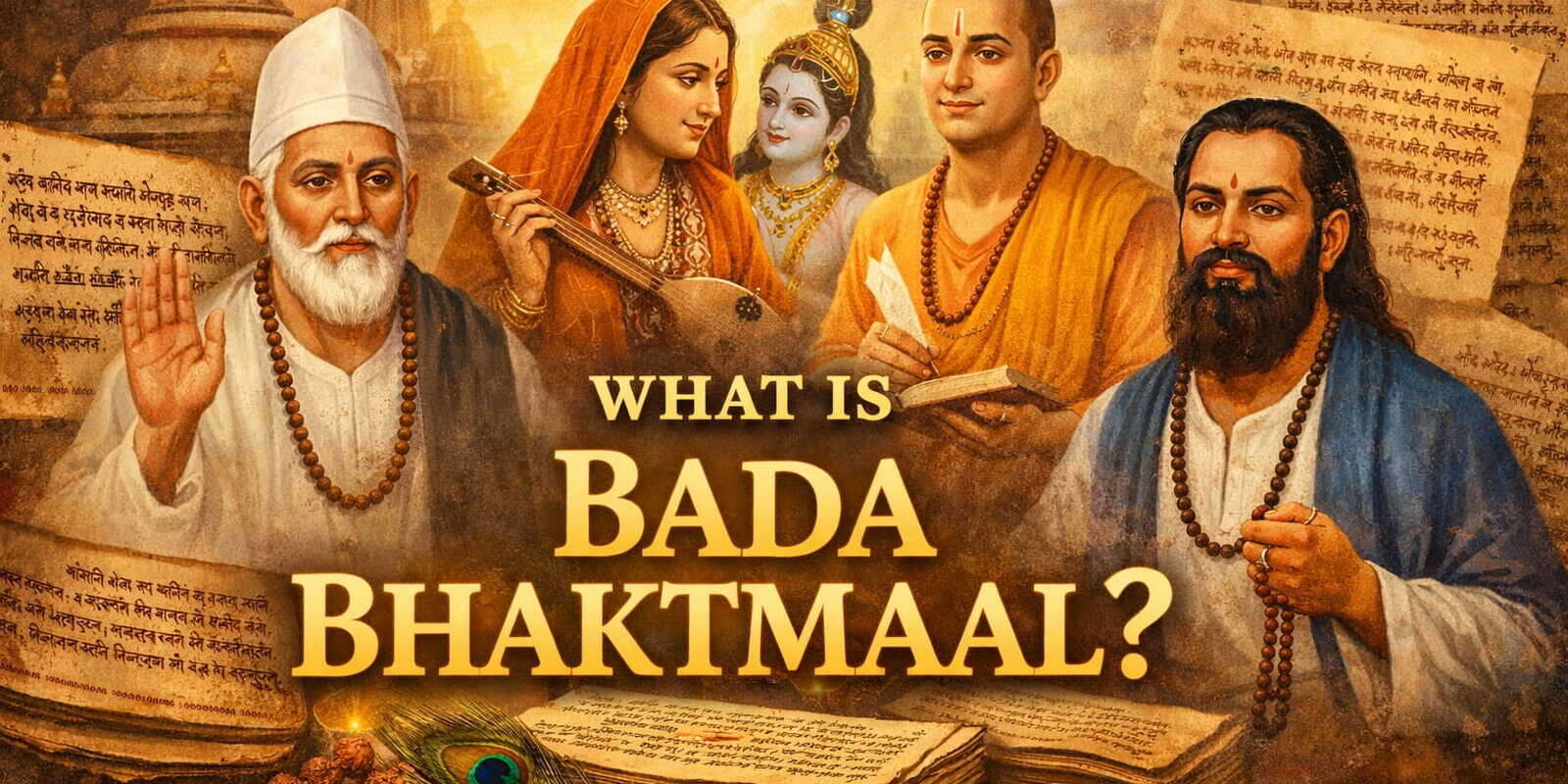
Kabir: A mystic poet and saint who defied religious boundaries, Kabir emphasized the oneness of God and the futility of religious dogma. His teachings, often paradoxical and poetic, continue to inspire millions.
Guru Nanak Dev: The founder of Sikhism, Guru Nanak Dev, was a profound spiritual master whose teachings stressed selfless service, equality, and devotion to the one God.
Modern Saints: Contemporary Spiritual Luminaries
In the modern era, numerous saints and spiritual leaders have continued the tradition, adapting ancient wisdom to contemporary challenges and reaching wider audiences.
Ramakrishna Paramahamsa: A 19th-century mystic, Ramakrishna’s life was a testament to the realization of God through various religious paths. His teachings focused on the essential unity of all religions and the importance of direct spiritual experience.
Swami Vivekananda: A disciple of Ramakrishna, Vivekananda played a pivotal role in introducing Vedanta philosophy to the West. He championed the ideals of strength, service, and universal brotherhood.
Mahatma Gandhi: While known primarily as a political leader, Gandhi’s philosophy and activism were deeply rooted in his spiritual understanding of Dharma and non-violence (ahimsa). He is revered by many as a saintly figure who lived his principles.
Paramahansa Yogananda: Author of “Autobiography of a Yogi,” Yogananda brought the science of Kriya Yoga and Indian spirituality to a global audience.
The Philosophical Underpinnings: Jnana, Bhakti, and Karma Yoga
The teachings and lives of saints in Hinduism often illustrate the interconnectedness of the three primary paths to spiritual realization:
Jnana Yoga (The Path of Knowledge): This path emphasizes the cultivation of wisdom and discernment to understand the true nature of reality and the self. Saints who embody Jnana Yoga often have profound intellectual understanding coupled with spiritual insight, guiding seekers to transcend ignorance and illusion.
Bhakti Yoga (The Path of Devotion): As discussed, this path centers on cultivating intense love and surrender to God. Saints on this path inspire others through their unwavering faith, ecstatic devotion, and the simplicity of their surrender.
Karma Yoga (The Path of Selfless Action): This path involves performing one’s duties and actions without attachment to the fruits of those actions, dedicating them to a higher purpose. Saints who embody Karma Yoga are often deeply involved in service (seva), demonstrating how selfless action can lead to purification of the mind and spiritual growth.
Most saints, in their lives and teachings, integrate elements of all three paths, showing that true spiritual progress often involves a holistic approach.
The Practical Application: How the Saint Tradition Enriches Daily Life
The influence of the saint tradition extends far beyond philosophical discourse and ritual. It provides practical guidance for navigating the complexities of everyday life.
Ethical Framework: Saints offer a clear ethical compass, emphasizing virtues like truthfulness (satya), non-violence (ahimsa), compassion (karuna), integrity (dharma), and contentment (santosha). Their lives serve as case studies for applying these principles even in challenging situations.
Emotional Well-being: By focusing on detachment, equanimity, and surrendering to a higher power, saints offer solace and strength to individuals facing stress, anxiety, and suffering. Their teachings encourage resilience and inner peace.
Purpose and Meaning: The saint tradition provides a framework for understanding life’s purpose beyond material pursuits. It encourages individuals to seek meaning in their actions, relationships, and spiritual growth, fostering a sense of fulfillment.
Community and Belonging: Many spiritual traditions centered around saints foster a sense of community among devotees. This shared path provides support, encouragement, and a sense of belonging, strengthening the social fabric.
Inspiration for Service (Seva): The ideal of selfless service, championed by countless saints, inspires individuals to contribute to the well-being of others and society at large, fostering a culture of empathy and altruism.
The Saint Tradition as a Living Force
The Saint Tradition is not a relic of the past but a vibrant, living force within Essential Hindu Dharma. Its continued relevance lies in its ability to provide timeless wisdom, practical guidance, and profound inspiration for individuals seeking spiritual fulfillment and a life lived in accordance with Dharma.
The challenges of the modern world – be it consumerism, existential angst, or social division – make the principles championed by saints more pertinent than ever. Their messages of inner peace, selfless love, ethical conduct, and the pursuit of ultimate truth offer a powerful antidote to the malaise of contemporary existence.
The ongoing succession of saints, each in their unique way, ensures the perpetuation of this invaluable heritage. Whether through profound philosophical discourse, ecstatic devotional practices, or simple acts of selfless service, they continue to illuminate the path for humanity, guiding us towards our true spiritual potential.
—
Frequently Asked Questions (FAQ)
Q1: What is the primary role of saints in Hinduism?
The primary role of saints in Hinduism is to serve as spiritual guides, living exemplars of Dharma, and conduits of divine grace. They embody spiritual wisdom and demonstrate how to live a righteous and fulfilling life, inspiring devotees to pursue their own spiritual growth.
Q2: Are there different types of saints in Hinduism?
Yes, Hinduism recognizes various types of saints, including Rishis (ancient seers), Avatars (divine incarnations), Bhaktas (intense devotees), Gurus (spiritual teachers), and Mahatmas (great souls). Their paths and manifestations may differ, but their underlying purpose is to elevate humanity spiritually.
Q3: How can I benefit from the teachings of the saint tradition?
You can benefit by studying the lives and teachings of saints, practicing the ethical principles they espouse (such as truthfulness, compassion, and non-violence), engaging in devotion (bhakti), and striving for selfless action (karma yoga). Seeking guidance from a living guru or spiritual master within this tradition can also provide personalized support.
—
The journey of spiritual discovery is a profound and personal one. The wisdom of the ages, embodied by the saint tradition, offers a guiding light. If you seek a deeper connection with the divine and wish to explore these profound teachings further, consider visiting a place of spiritual significance like the Bada Bhaktmaal Ashram, where the legacy of saints continues to inspire and uplift.